

1. The power of rainwater
Kwekerij de Zuidplas uses rainwater as a sustainable and constant basis for circular gerbera cultivation. Thanks to a basin and underground storage, water is utilized and reused to the maximum extent, which is essential for precise plant nutrition and climate-resilient business operations.



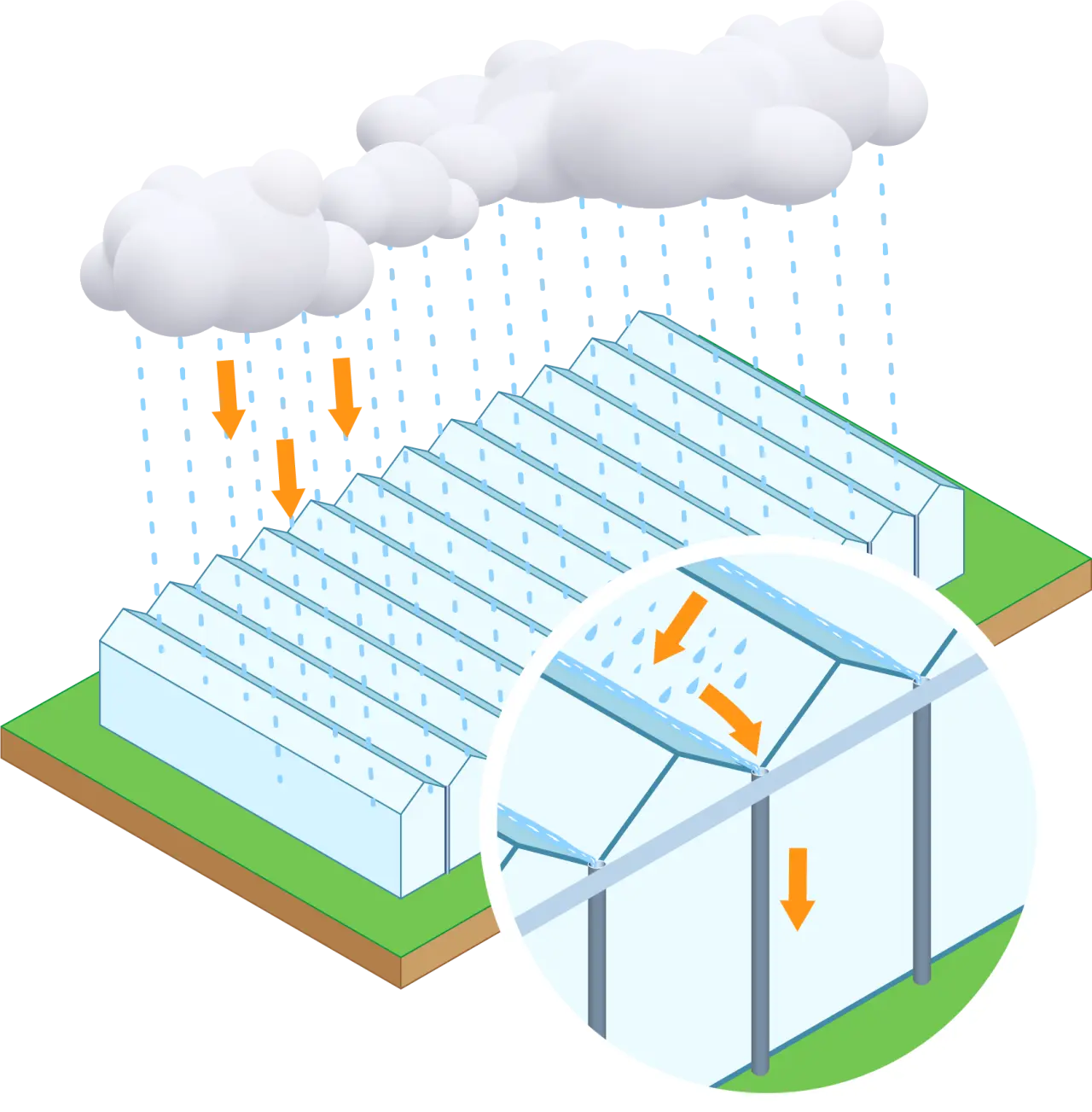
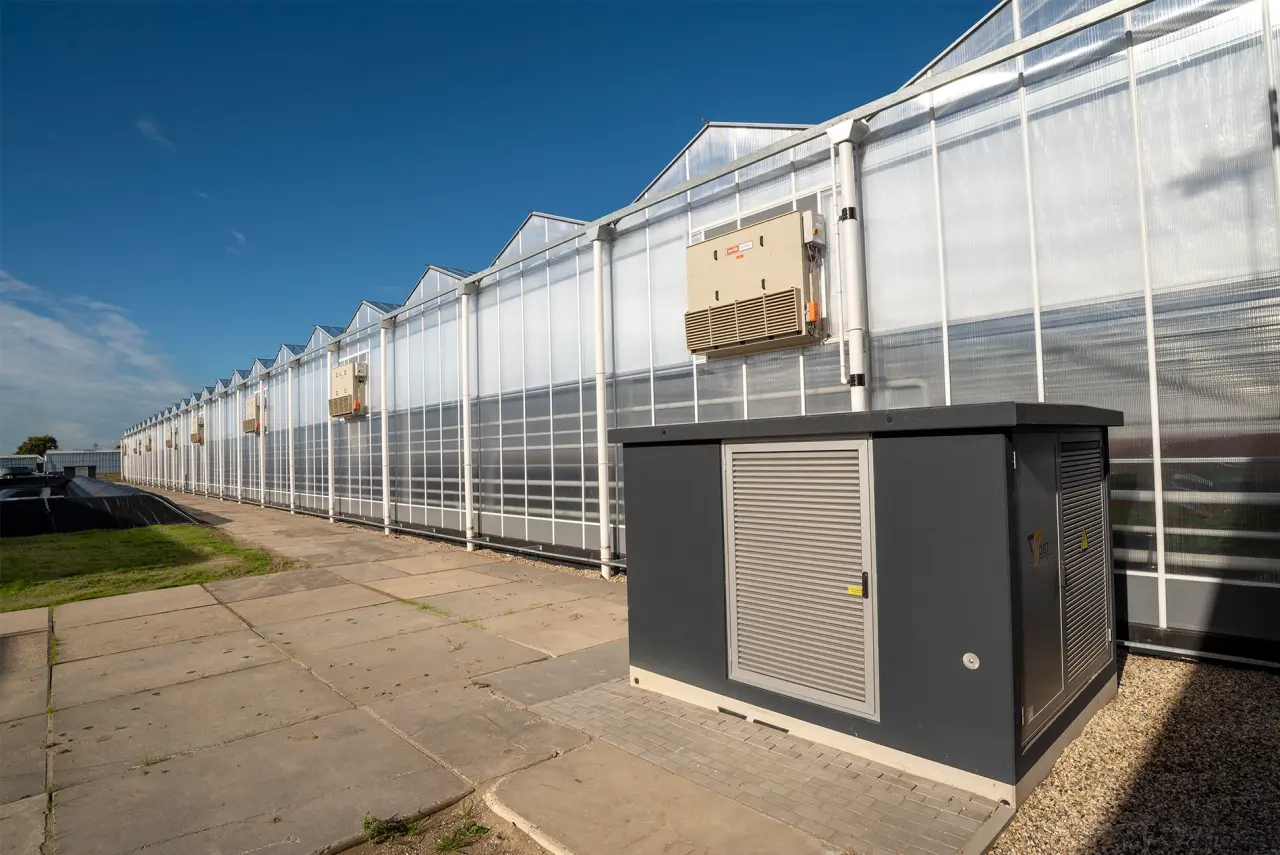
At Kwekerij de Zuidplas, we collect rainwater directly via the greenhouse roof and quickly divert it to the water basin. Every drop that enters is utilized as efficiently as possible and reused wherever possible.
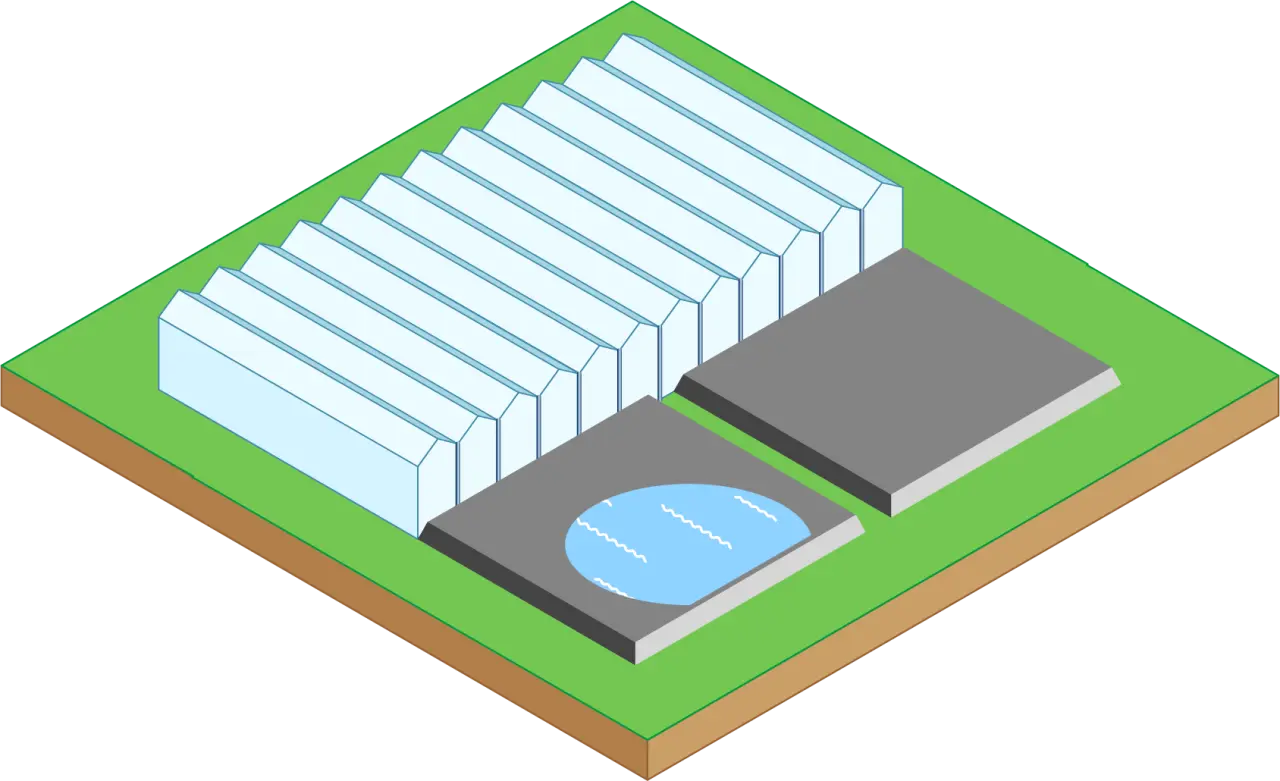
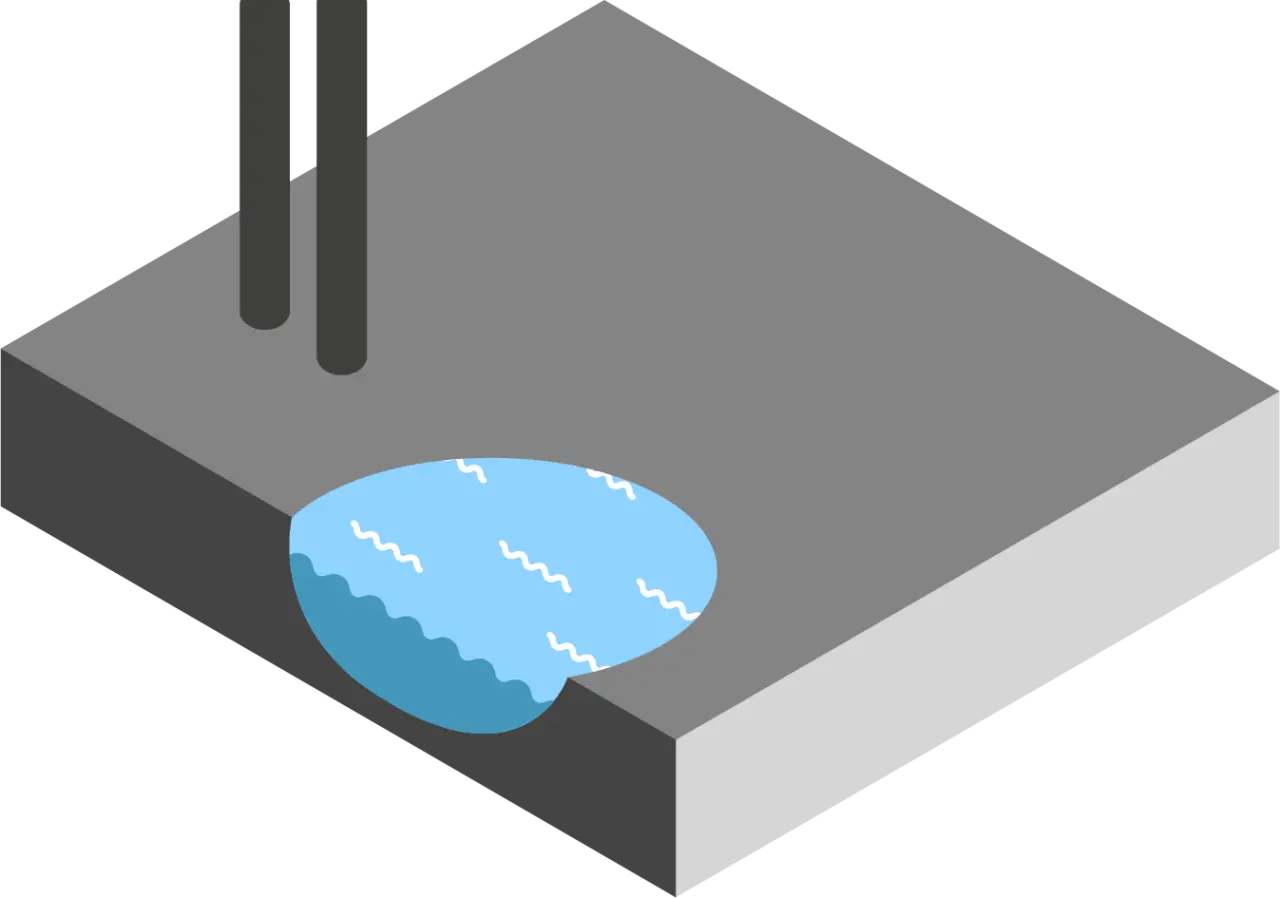
The covered water basin at Kwekerij de Zuidplas serves as a central storage facility that guarantees algae-free water quality for daily cultivation. In combination with an underground buffer of 10,000 m³, this system provides water security during drought and prevents local flooding during heavy rainfall.

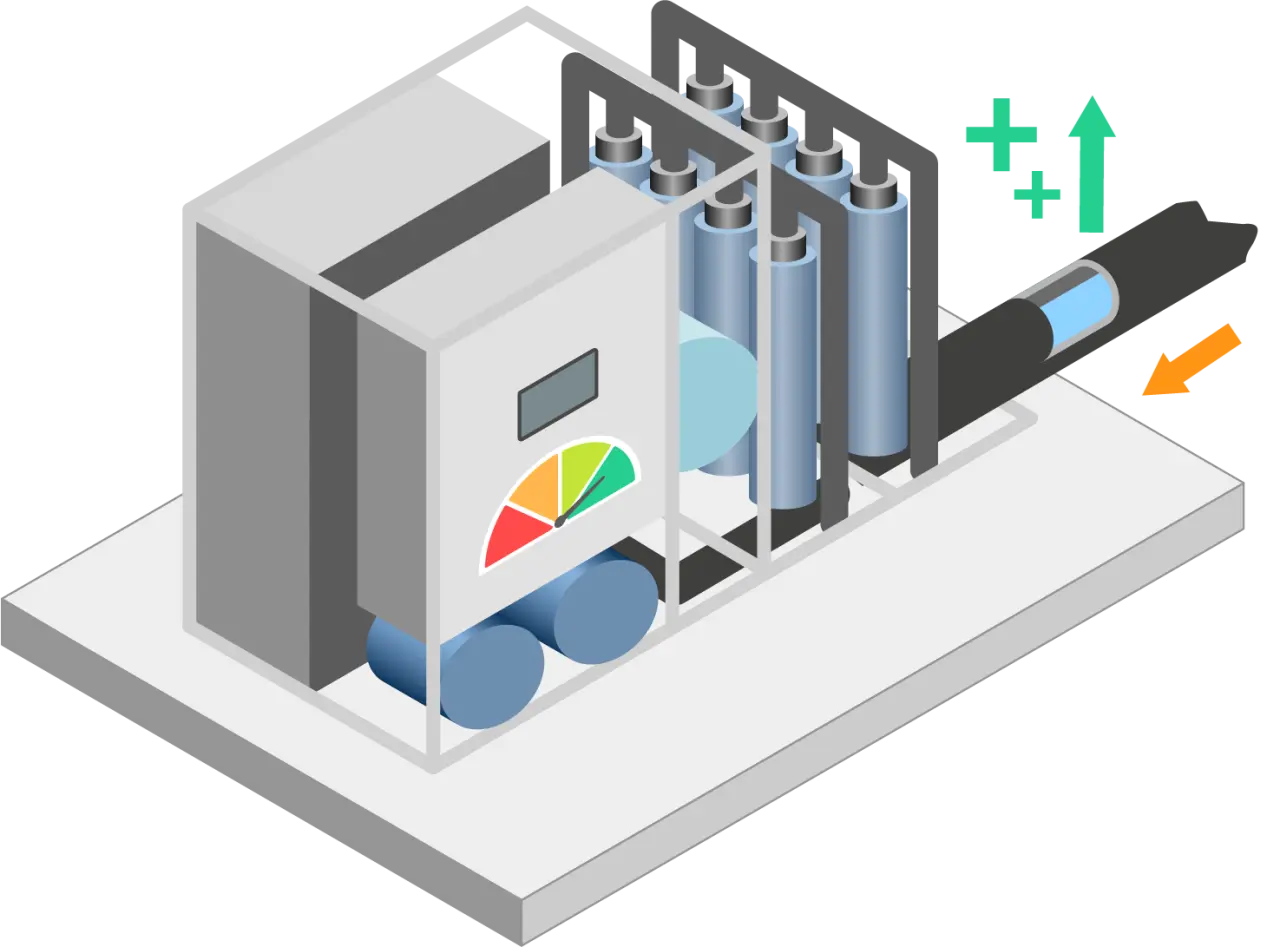

4. Preparing food for the gerberas
Upon arrival, the water is filtered and analyzed for acidity and salinity via a baseline measurement. Based on this, targeted nutrients are added in a mixing system. Sensors continuously monitor this process, while biweekly laboratory analyses constantly and precisely adjust the nutrient recipe. This data-driven process ensures that the plants receive exactly the necessary nutrition in every growth phase.
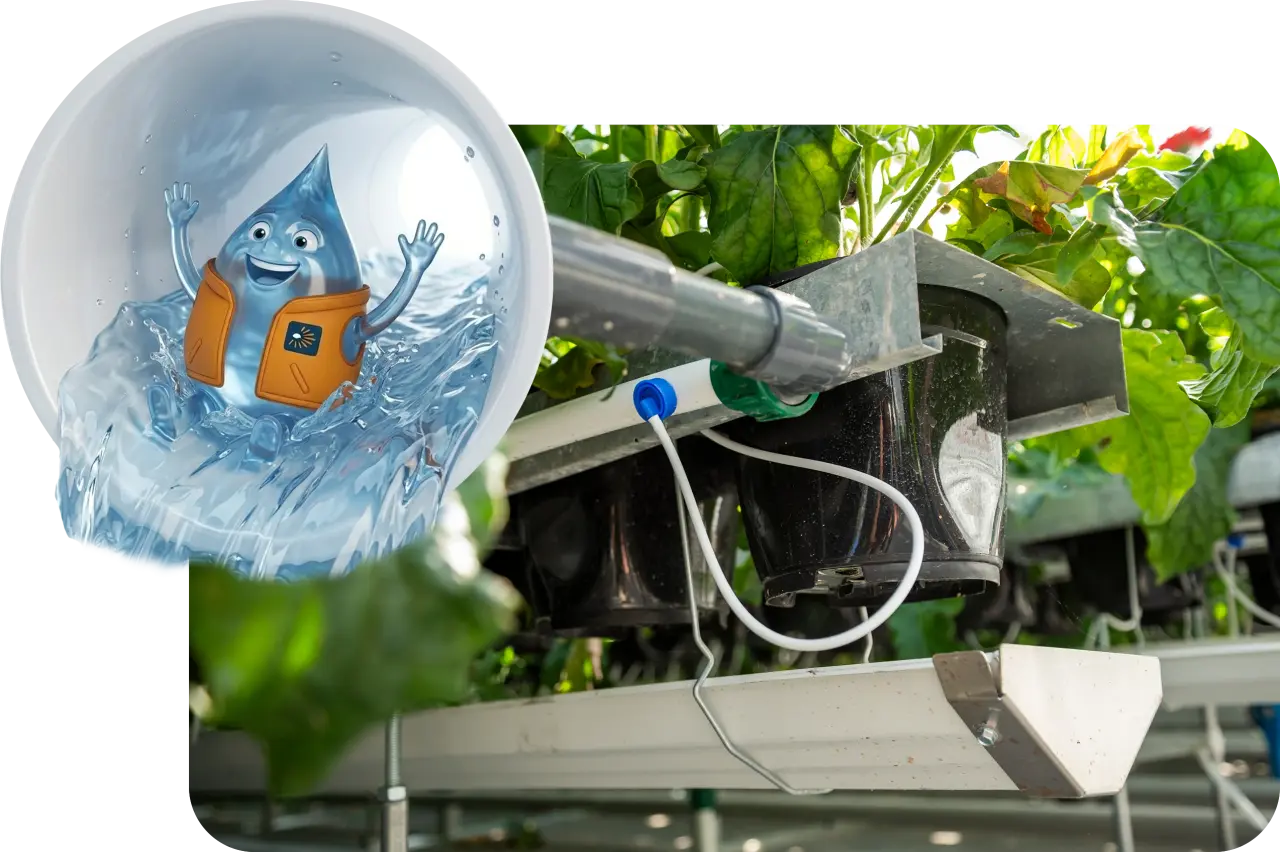
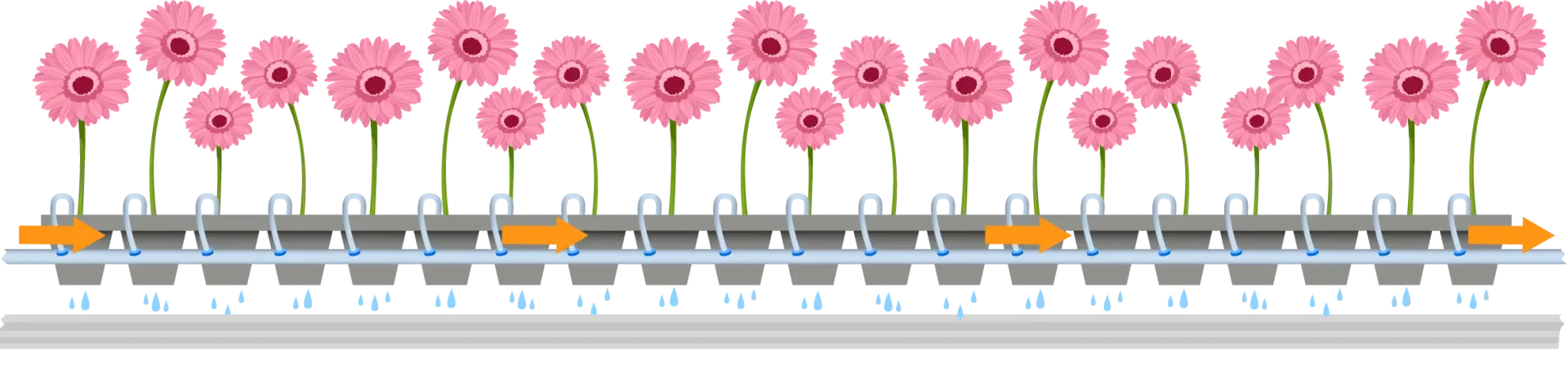

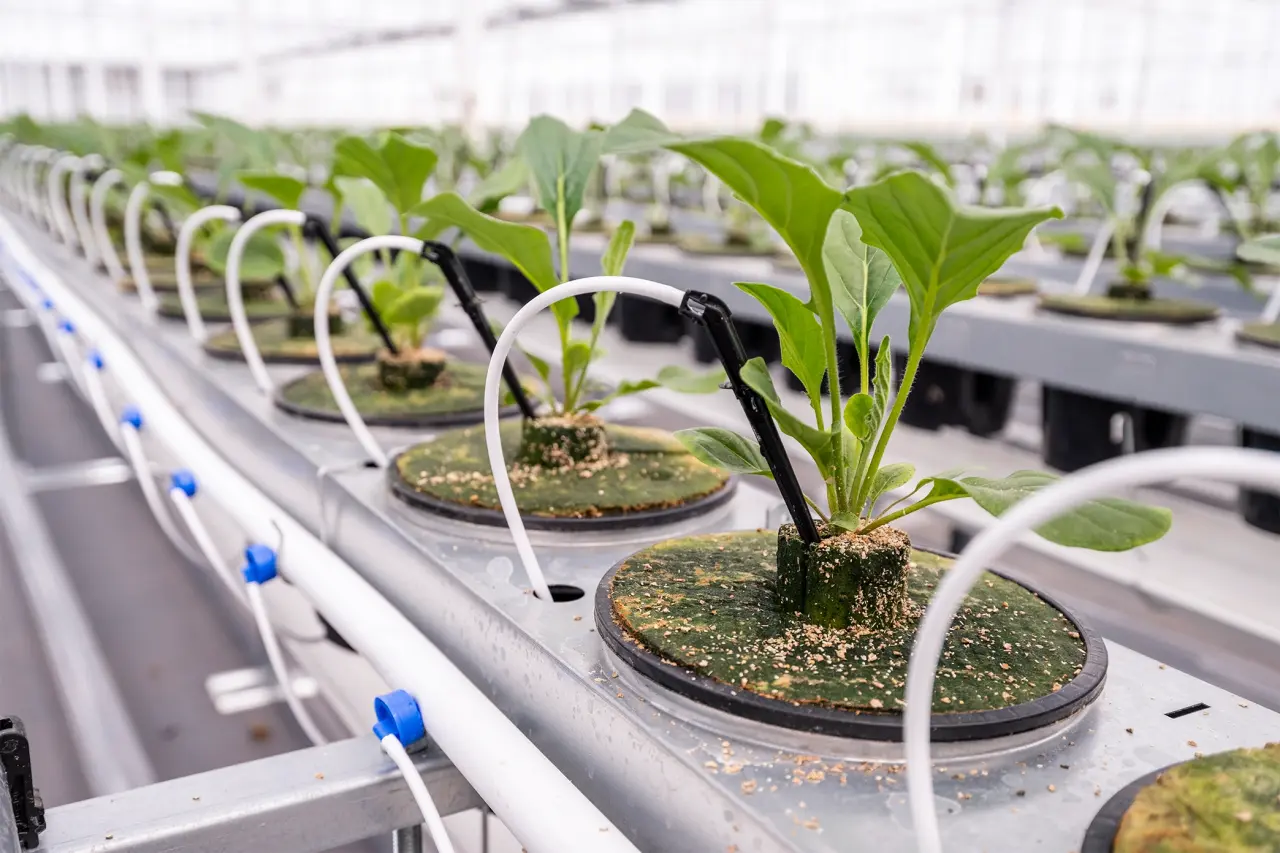
Via a drip system, each plant receives an exact amount of water and nutrients, with a deliberate excess "flushing" the roots to prevent salt buildup and increase resistance. Sensors and plant weighing monitor the exact requirements, while the use of substrate ensures that this process remains fully controllable, unlike cultivation in open ground.
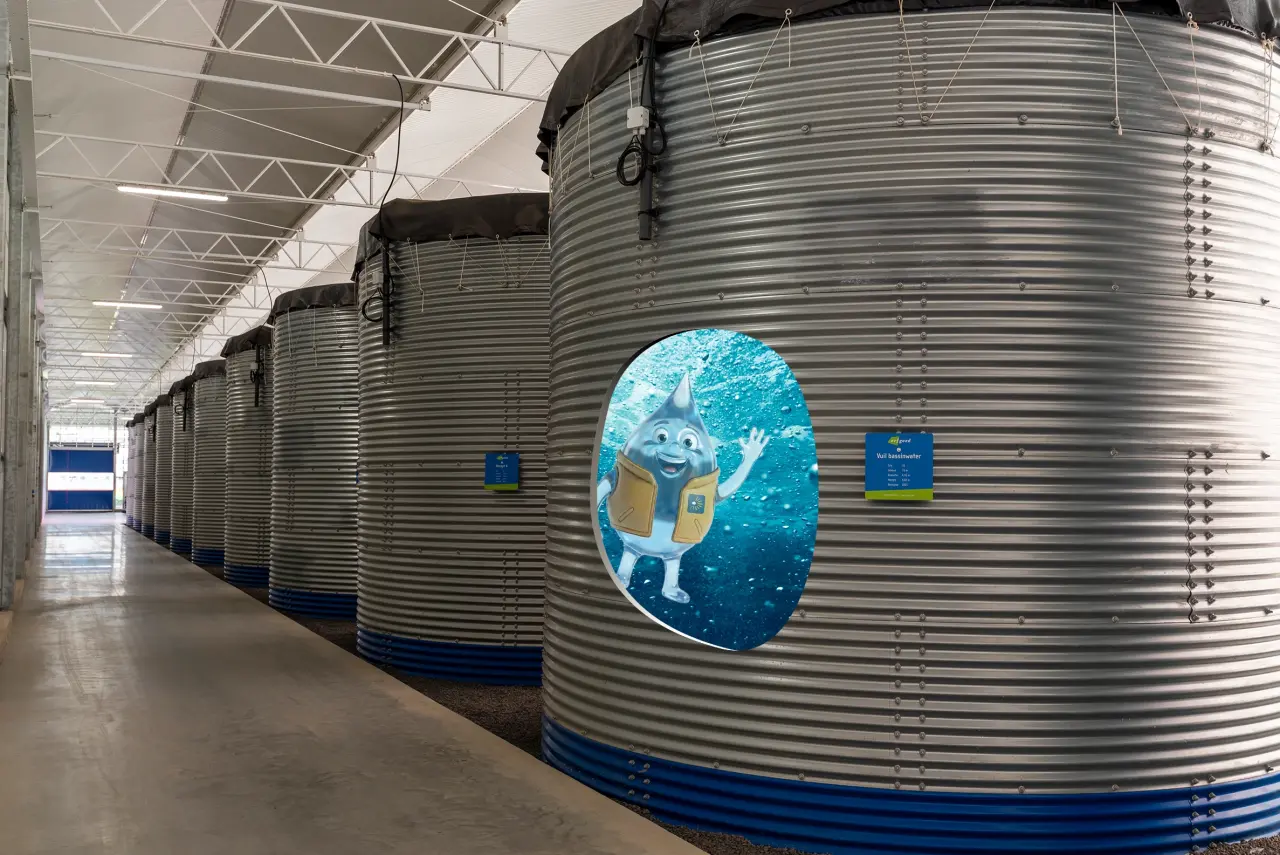
Excess water and remaining nutrients are collected in a wastewater silo via gutters beneath the plants. By storing this residual water separately instead of allowing it to drain away, environmental pollution is prevented and the liquid remains available for filtration. This phase is essential to prepare the valuable raw materials for a safe return to the cycle.
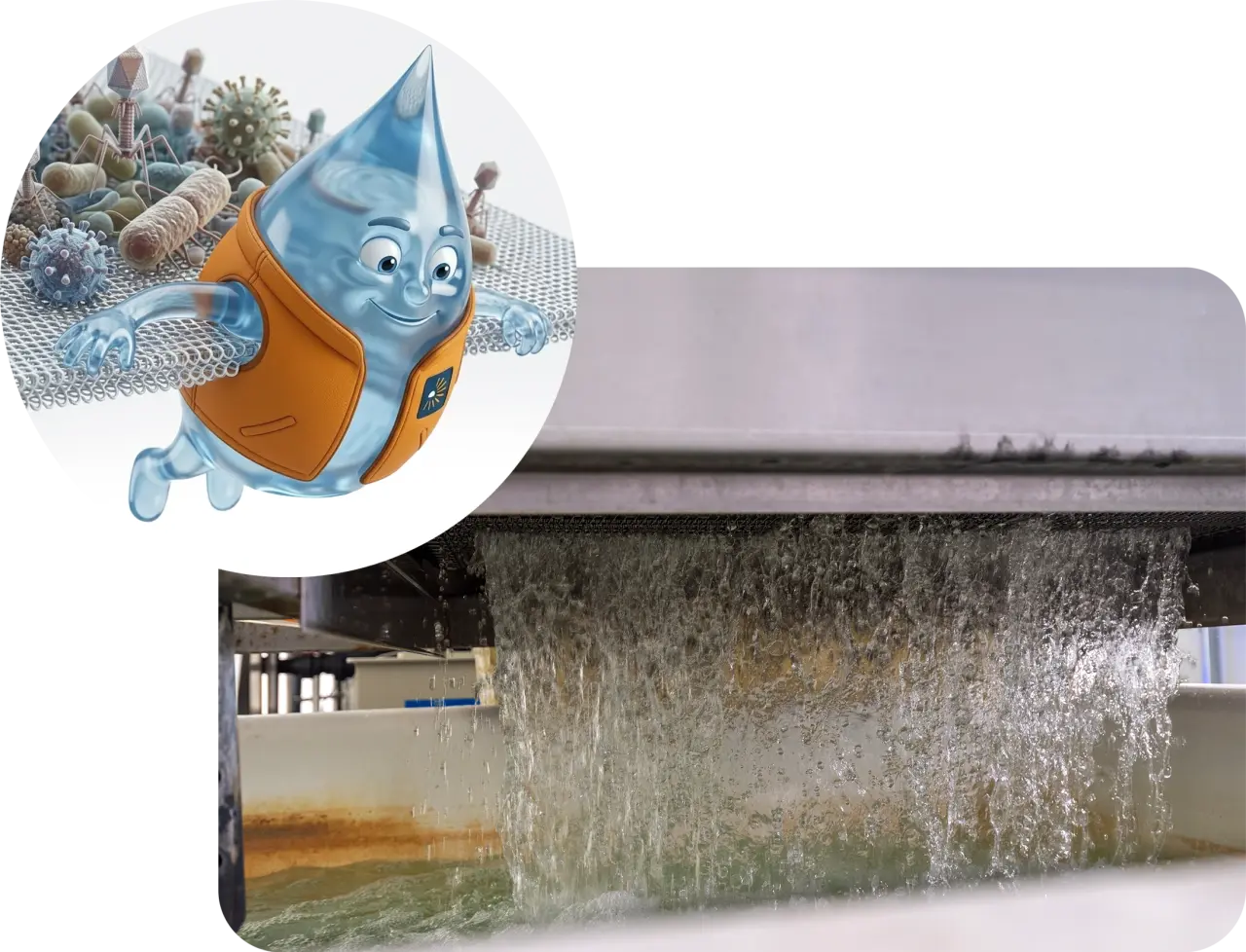
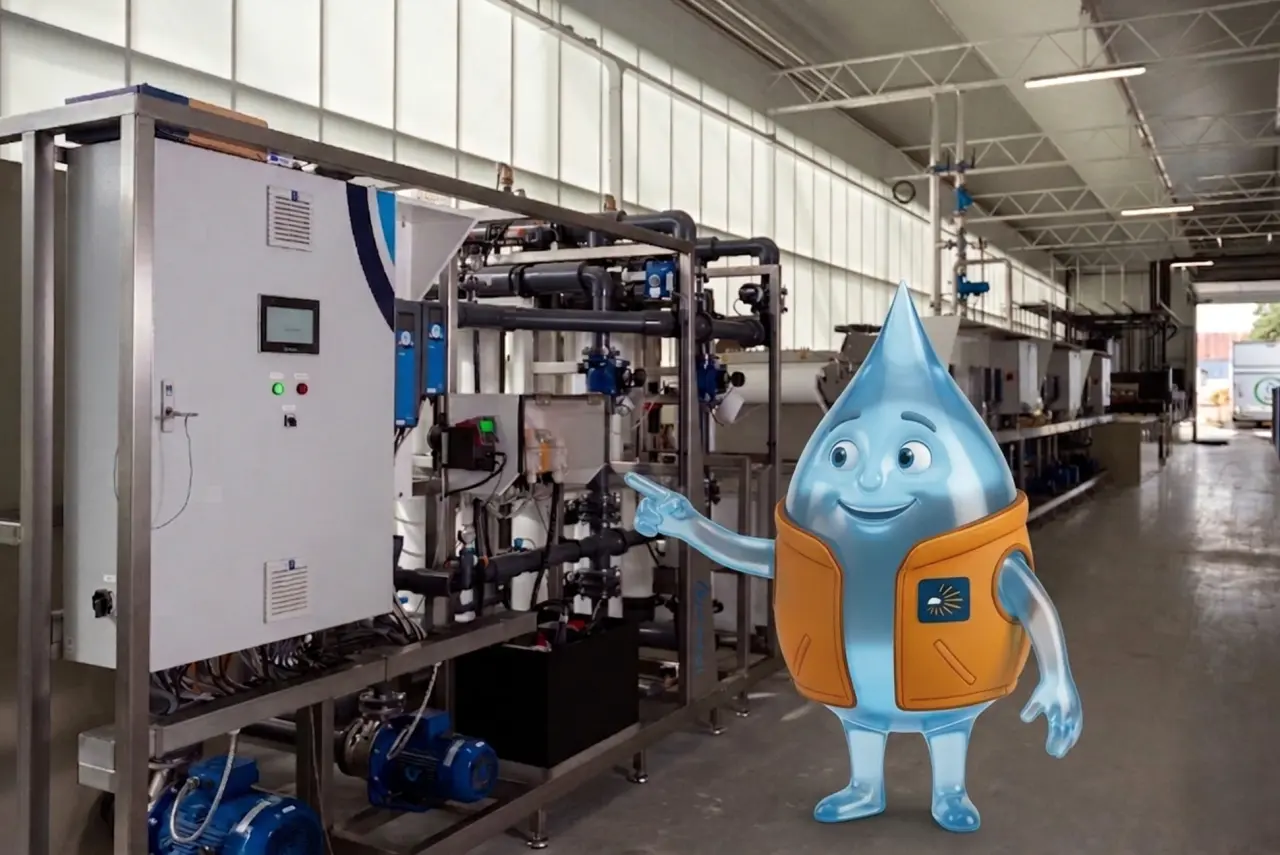
The residual water is biologically purified via nanofiltration, removing bacteria and viruses while retaining valuable nutrients. The purified water returns to the cultivation process, while only a minimal amount of rinse water is sent via the sewer to an external treatment plant. As a result, there is no discharge into surface water.
8. Reusing rainwater from the clean water silo
Filtered water with retained nutrients is stored in a clean water silo. By recovering and reusing approximately 50% of the irrigation water in this way, this efficient and sustainable system saves significantly on water and nutrients without loss of quality.
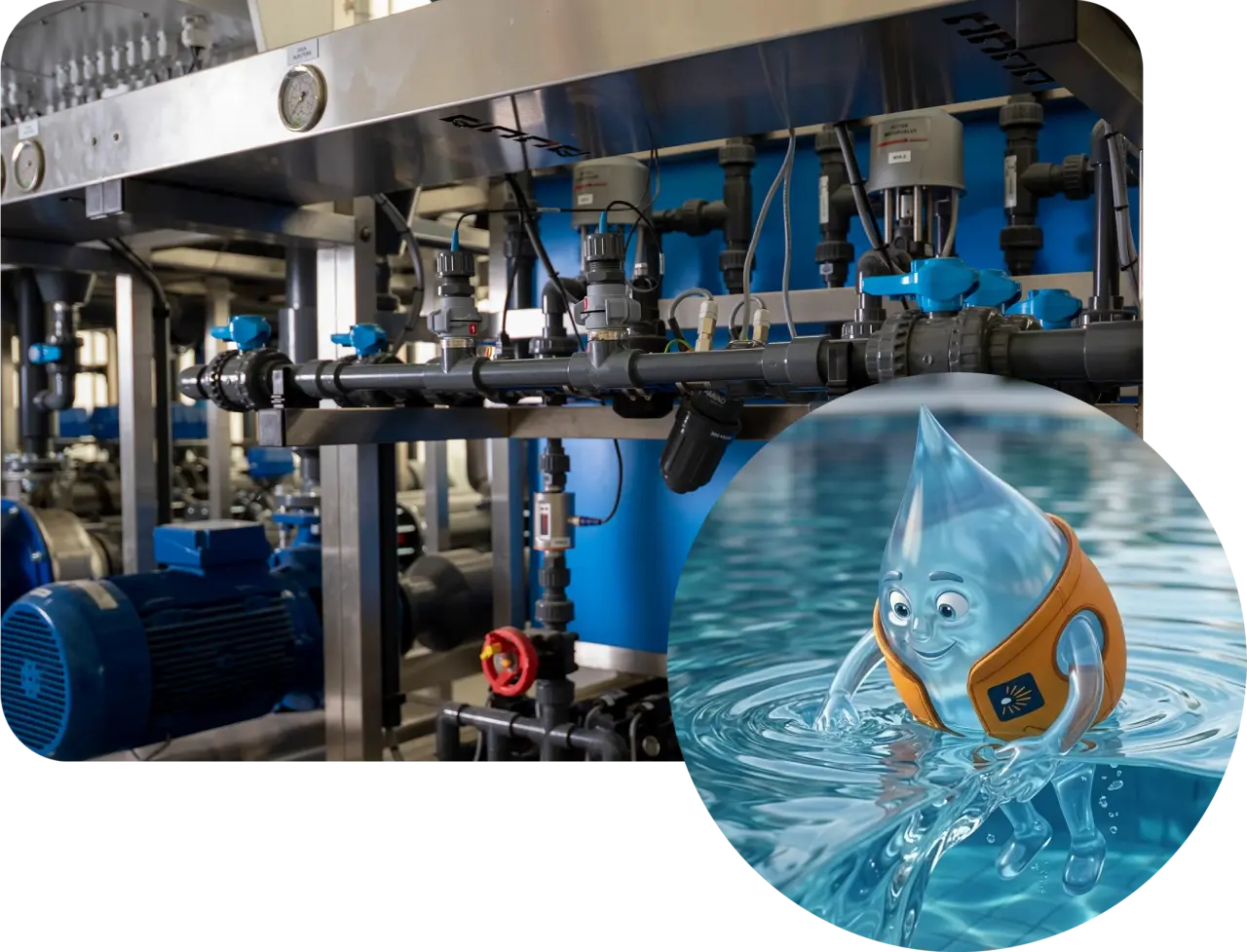

9. Mixing the filtered water with new rainwater
In the final phase, the filtered water is combined with fresh rainwater to close the loop. Based on new measurements, missing nutrients are replenished, ensuring the water once again fully meets the plant's needs. This circular process minimizes waste and maximizes efficiency compared to traditional systems.
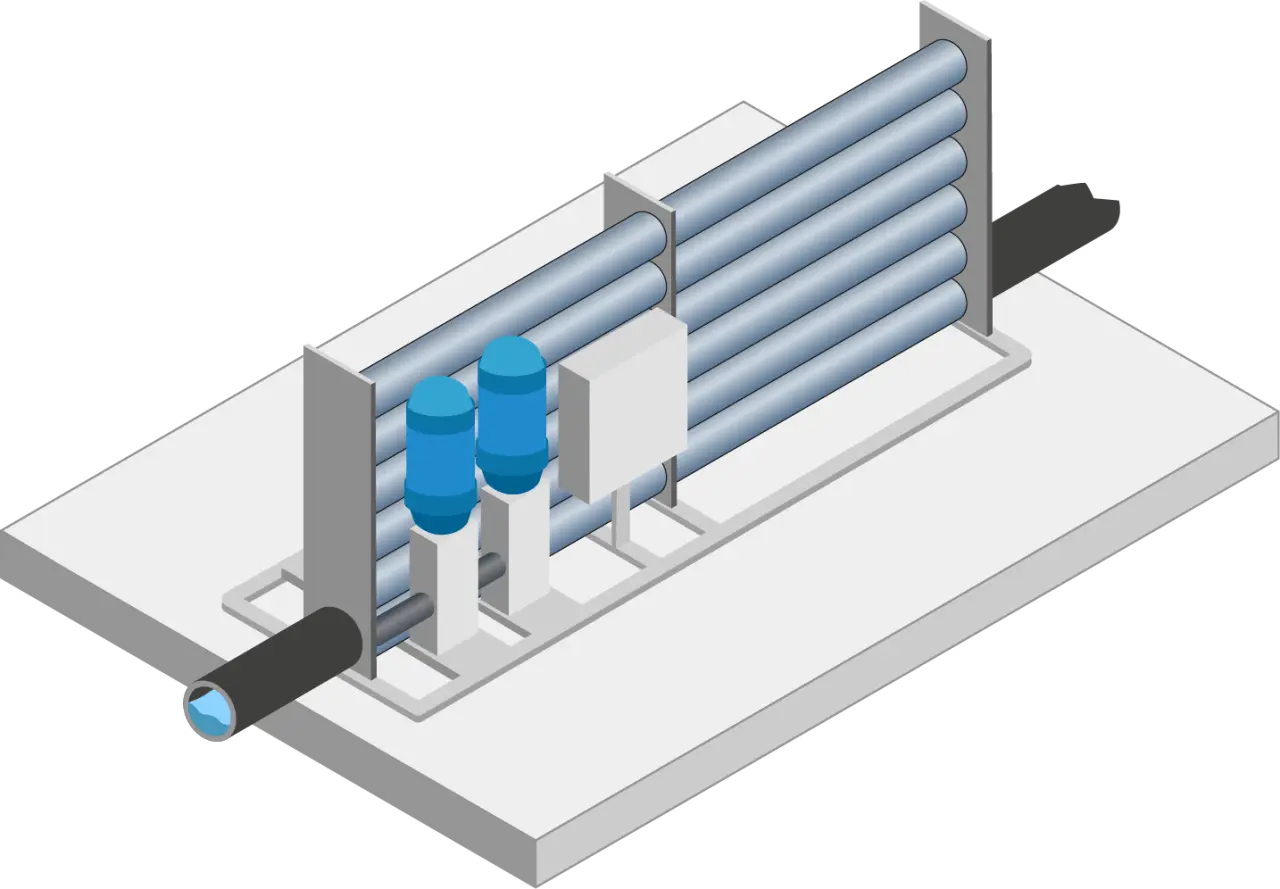
10. What do we do with the water that is not used after filtering?
The remaining water that cannot be immediately reused flows via the sewer system to an external treatment plant to prevent discharge into the ditch. Only during extreme rainfall is clean excess discharged via an overflow. Through close cooperation with water managers and regional buffering, this system supports not only its own cycle but also water security in the entire region.
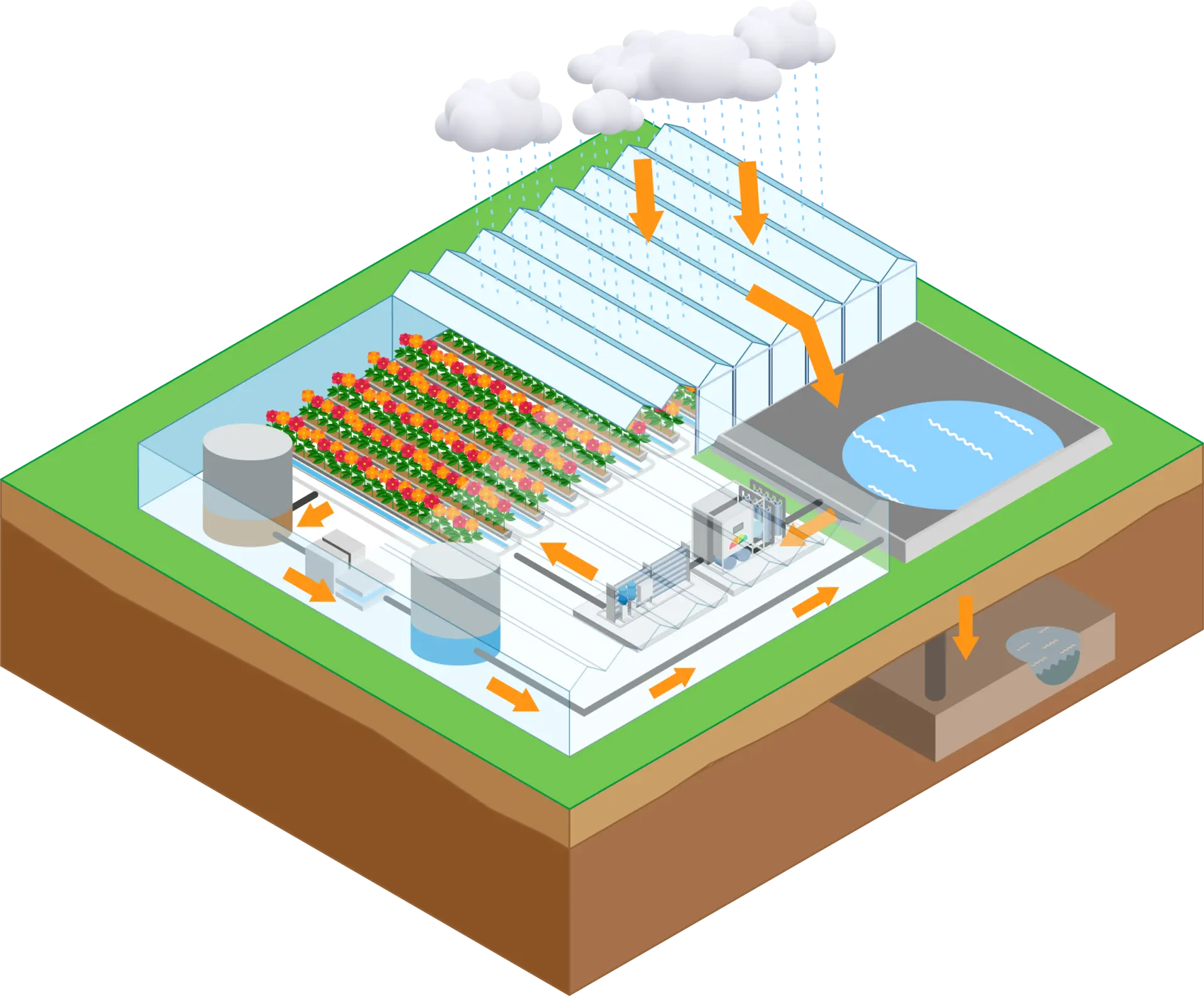
A circular system
This closed system shows how we handle water at Kwekerij de Zuidplas: we do not take it for granted, but view it as a precious resource.
By continuously measuring, buffering, and reusing, we minimize our environmental impact and optimize our operations. In this way, every drop contributes to sustainable cultivation and reliable water management in the region.
Want to know more about our greenhouse?

This website uses cookies
We use cookies to improve your experience. Read more